As a child grows older, their smile changes significantly. The jaw continues to grow, permanent teeth erupt, and baby teeth fall away. As the child's mouth changes during this time, an orthodontic appliance that functions effectively at one stage may need to be reevaluated.
When treating younger patients, orthodontists must take into account both their present oral health and the future development of their jaws and teeth. In such cases, a skilled orthodontic appliance lab plays a crucial role in handling evolving treatment needs.
Understanding the Mixed Dentition Stage
Mixed dentition is the phase when baby teeth and permanent teeth are present together. It generally begins around six years of age and continues as permanent teeth gradually replace primary teeth.
During this stage, the dental arch changes, new teeth emerge, and available spaces may shift. These developments can affect how an orthodontic appliance fits and functions.
An appliance designed around the child's existing dental arrangement may therefore need reassessment as permanent teeth erupt.
Why Orthodontic Appliance Requirements Change
Different appliances have different purposes. As children grow, their treatment needs may change too.
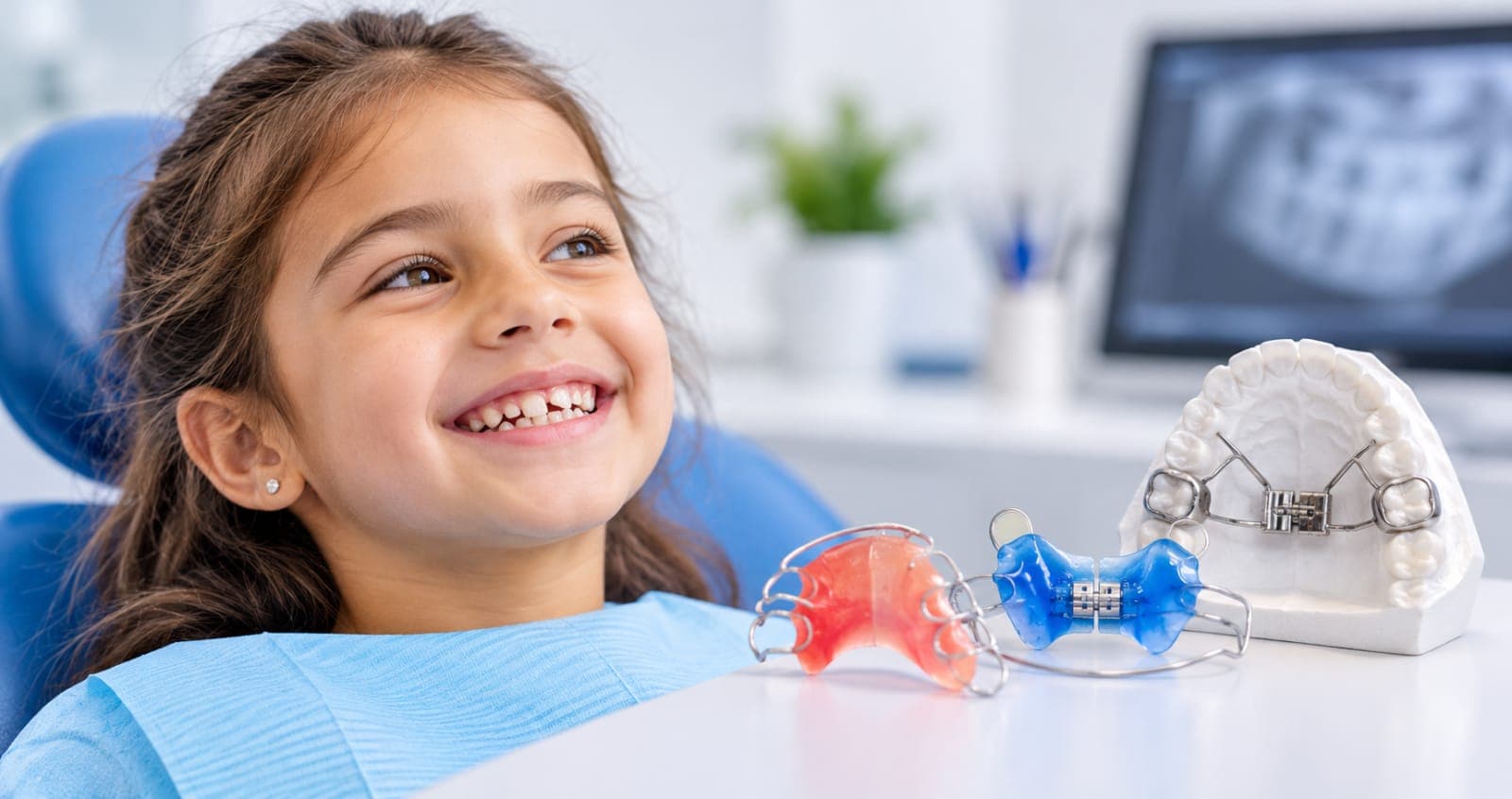
Space Maintainers
When a primary tooth is lost prematurely, neighboring teeth may drift into the available space. A space maintainer may help preserve room for the permanent tooth. However, its use must be reviewed as the permanent tooth reaches the stage of eruption.
Palatal Expanders
Palatal expanders may be recommended in selected cases to address transverse maxillary deficiencies. Their suitability depends on the child's dental development, skeletal maturity, and clinical requirements.
Retainers
Retainers help maintain tooth positions after orthodontic treatment. However, growing patients may need their retainers reassessed as permanent teeth erupt and the dental arch changes.
Why Regular Appliance Reviews Matter
Children do not develop at exactly the same rate. Two children of the same age may have very different eruption patterns and dental development.
Regular orthodontic appointments allow dentists to evaluate:
- Which permanent teeth have erupted.
- Whether the dental arch has changed.
- Whether the existing appliance remains suitable.
- Whether adjustments or replacements are necessary.
An orthodontic appliance lab can support these changing requirements by fabricating updated appliances based on the dentist's latest clinical instructions.
The Role of an Orthodontic Appliance Lab
Treating growing patients may involve multiple appliances throughout different stages of development. This makes clear communication between the dental practice and laboratory particularly important.
Dentists should provide updated impressions or scans, relevant photographs, appliance specifications, and clear prescriptions when submitting new or replacement cases.
Laguna Dental Arts offers orthodontic appliances as part of its broader laboratory services, including retainers, expanders, and other custom orthodontic solutions.
Through laboratory expertise, digital workflows, and communication with dental practices, Laguna supports different orthodontic appliance requirements as treatment needs evolve.
Frequently Asked Questions About Orthodontic Appliances for Children
- At what age can a child start using orthodontic appliances?
There is no fixed age. Some children benefit from an orthodontic evaluation around seven years, when permanent teeth begin emerging. Appliance requirements depend on individual development and clinical needs.
- Do orthodontic appliances need replacement as children grow?
Sometimes. As permanent teeth erupt and dental arches develop, an existing appliance may need adjustment, modification, or replacement.
- Why might a child need a space maintainer?
A space maintainer may help preserve the space left by a prematurely lost baby tooth, reducing the risk of neighbouring teeth drifting into that space.
- How often should children's orthodontic appliances be checked?
Review frequency depends on the appliance and treatment plan. Regular appointments help orthodontists monitor development and identify when changes are needed.
- Why work with a specialised orthodontic appliance lab?
A specialised laboratory understands the fabrication requirements of different appliances, including retainers and expanders. Clear communication and updated clinical records help ensure appliances follow the dentist's current prescription.
Planning for a Smile That Keeps Changing
Orthodontic treatment during childhood is an evolving process. Teeth erupt, dental arches develop, and treatment requirements change along the way.
Working with a reliable orthodontic appliance lab helps dental professionals coordinate these changing requirements and support a more organised approach to orthodontic care.